Source eco friendly ultra lightweight cat urine pads for Kennels, Travel, and Training
Source eco friendly ultra lightweight cat urine pads from 30 verified listings. Compare absorbency, sizes, and OEM options for kennels, travel, and training needs.
Key considerations
Products List

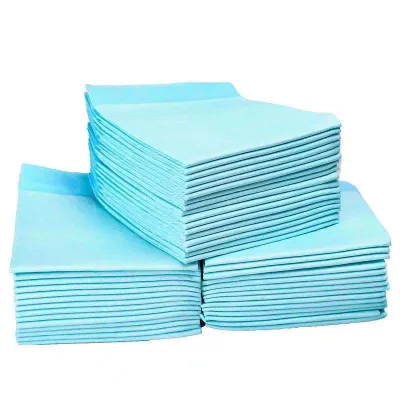
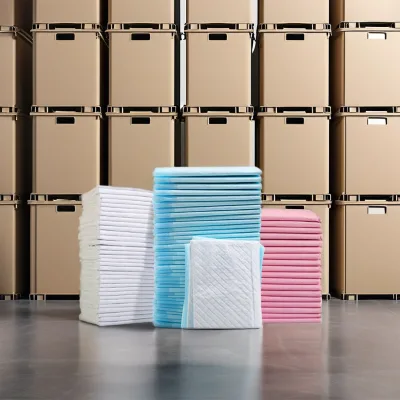
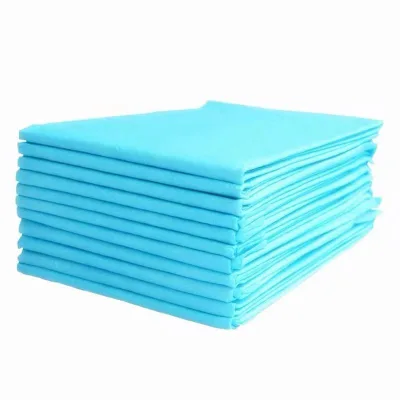


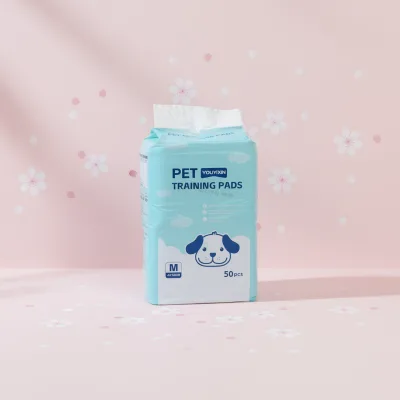




Comprehensive Sourcing Guide
Eco Friendly Ultra Lightweight Cat Urine Pads Sourcing Guide
Sourcing eco-friendly, ultra-lightweight cat urine pads requires a nuanced understanding of material science, supply chain transparency, and specific animal care standards. The modern pet care market has shifted significantly toward sustainable hygiene solutions, driven by consumer demand for products that minimize environmental impact without compromising on absorbency or leak protection. Buyers in this sector must navigate a complex landscape where "eco-friendly" is often used as a marketing term rather than a verified technical specification. Therefore, the procurement strategy must focus on verifying material composition, manufacturing processes, and end-of-life disposal methods to ensure that the products align with genuine sustainability goals. This guide provides a structured approach to evaluating suppliers, verifying technical claims, and establishing robust quality control measures for these specialized pet hygiene products.
The core challenge in this category lies in balancing lightweight design with high-performance absorption. Ultra-lightweight pads typically rely on advanced non-woven fabrics and superabsorbent polymers (SAP) to achieve thin profiles while maintaining dryness. However, the term "eco-friendly" introduces additional variables, such as biodegradability, recyclability, or the use of renewable resources like cotton or fiber-based materials. Buyers must distinguish between products that are merely made from natural fibers and those that are fully compostable or recyclable. This distinction is critical for brands targeting environmentally conscious consumers who expect transparency in sourcing and manufacturing. The following sections detail the specific steps buyers should take to validate these claims and secure reliable supply chains.
Product Scope and Observed Listing Signals
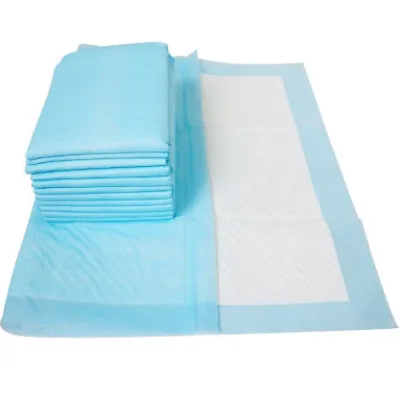
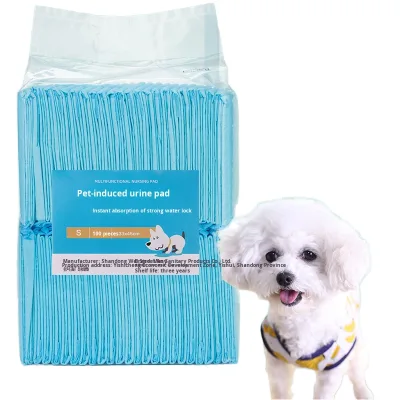
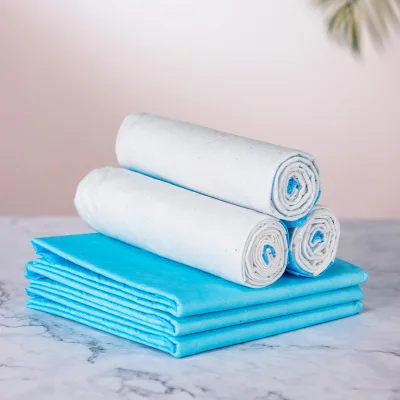
The observed market signals indicate a diverse range of product attributes, with a strong emphasis on customization and material variety. Listings frequently highlight features such as "Non Woven Fabric," "Cotton," and "FIBER" as primary materials, suggesting that buyers have access to both synthetic and natural options. The presence of "Breathable Backsheet" and "3D Leak Prevention Channel" technologies points to a focus on user comfort and leak protection, which are critical for cat owners who prioritize cleanliness and odor control. Additionally, the availability of OEM and ODM services indicates that many suppliers are equipped to handle branded orders, allowing buyers to create unique product identities. This flexibility is particularly valuable for private label brands seeking to differentiate themselves in a crowded market.
Color and style variations further expand the product scope, with options ranging from "White" and "Blue" to "Pink," catering to different aesthetic preferences. The "Printed" feature suggests that suppliers can offer customized designs, which can be leveraged for marketing purposes or to appeal to specific demographic segments. The "Disposable" nature of these pads is a consistent attribute, reinforcing their convenience and hygiene benefits. However, buyers should be cautious of conflicting information, such as varying origin locations (e.g., Fujian vs. Shandong, China), which may indicate multiple suppliers or inconsistent data reporting. It is essential to verify the actual manufacturing location and production capabilities to ensure consistency in quality and supply chain reliability.
Technical Specifications to Verify
Verifying technical specifications is paramount to ensuring that the purchased pads meet performance expectations. Key attributes to validate include the "Absorbent Capacity," which is observed to range from 100-2000ml, and the "Single gross weight," which is listed as 1.000 kg per package. Buyers should request detailed test data to confirm these figures, as actual performance can vary based on the specific formulation of the absorbent core and the quality of the non-woven top sheet. The "Length X Width(mm)" dimensions, such as 600X350, 600X450, 600X600, and 900X600, provide a clear indication of the product size options available. It is crucial to select the appropriate size based on the target pet's needs and the intended usage environment, whether for indoor litter box training or travel.
The "Model Number" and "prod_model" fields, such as ASK336 and S, M, L, XL, XXL, XXXL, offer a standardized way to reference specific product variants. Buyers should ensure that the selected model aligns with their quality standards and performance requirements. The "Power Source" being "Not Applicable" confirms that these are passive hygiene products, eliminating concerns about electronic components or battery life. However, the "odor control" level, described as "Moderate," suggests that buyers may need to supplement these pads with additional deodorizing solutions if higher odor containment is required. Verifying the "Fragrance" option, which is listed as "Original," is also important, as some consumers may prefer unscented products to avoid irritating their pets' sensitive noses.
Compliance and Safety Documentation
Compliance and safety documentation are critical for ensuring that the products meet regulatory standards and do not pose health risks to pets or humans. The observed "Certificate" attributes include "ISO" and "CE ISO," indicating that some suppliers have obtained international quality and safety certifications. Buyers should request copies of these certificates to verify their validity and scope, ensuring that they cover the specific products being purchased. The "prod_standard" of 0.015kg may refer to a specific weight or material standard, but its exact meaning should be clarified with the supplier. Understanding the regulatory landscape in the target market is essential, as different regions may have varying requirements for pet hygiene products.
In addition to certifications, buyers should inquire about the "Eco-Friendly" claims and the associated documentation. This may include third-party certifications for biodegradability, compostability, or the use of sustainable materials. The "Material" composition, which includes "Non Woven Fabric" and "FIBER," should be clearly defined to ensure that it aligns with the eco-friendly claims. Buyers should also verify the "Processing" methods, such as OEM and ODM, to ensure that they do not involve harmful chemicals or unsustainable practices. Transparency in sourcing and manufacturing is key to building trust with environmentally conscious consumers and avoiding potential reputational risks.
Cost Drivers and Commercial Terms
Cost drivers in the eco-friendly ultra-lightweight cat urine pad market are influenced by material costs, manufacturing complexity, and order volume. The observed "MOQ" (Minimum Order Quantity) ranges from 1 to 100,000, offering flexibility for both small startups and large enterprises. Buyers should negotiate MOQs that align with their sales forecasts and storage capabilities, as excessive inventory can lead to increased holding costs. The "Packing" options, including "Bags" and "Customized Package," allow for tailored logistics solutions, which can impact shipping costs and product presentation. Understanding the "Single package size" of 40X20X10 cm is essential for optimizing warehouse space and transportation efficiency.
Commercial terms such as "Delivery Time" and "Sample Delivery" are also critical factors in the procurement process. The observed "Sample Delivery" time of "Within 7 Days" allows for rapid evaluation of product quality before committing to larger orders. The "Delivery Time" of 5-15 days indicates a relatively fast turnaround, which is beneficial for maintaining inventory levels and responding to market demand. Buyers should clarify these timelines with the supplier to ensure they align with their business needs. Additionally, the "Brand Name" options of "OEM,ODM" suggest that buyers can customize the product branding, which may involve additional costs but can enhance brand recognition and customer loyalty.
Supplier Qualification and Quality Control
Supplier qualification is a multi-step process that involves assessing manufacturing capabilities, quality control systems, and ethical practices. Buyers should conduct on-site audits or request virtual tours to verify the production environment and equipment. The "Processing" capabilities, including OEM and ODM, should be evaluated to ensure that the supplier can meet specific design and quality requirements. The "Customization" options, such as "Acceptable Customized Label," indicate that the supplier is flexible and willing to work with buyers to create unique products. However, buyers should also assess the supplier's ability to maintain consistency in quality across different production batches.
Quality control measures should be clearly defined and agreed upon before placing orders. This may include pre-production samples, in-process inspections, and final random inspections. The "Feature" of being "Eco-Friendly" should be verified through material testing and documentation review. Buyers should also establish clear communication channels with the supplier to address any issues that may arise during production or delivery. Building a strong relationship with the supplier is essential for long-term success, as it fosters trust and collaboration. Regular performance reviews and feedback loops can help identify areas for improvement and ensure that the supplier continues to meet the buyer's expectations.
Long-Term Procurement Checks
Long-term procurement checks involve continuous monitoring of supplier performance, market trends, and regulatory changes. Buyers should establish key performance indicators (KPIs) to track metrics such as delivery reliability, product quality, and customer satisfaction. Regular audits and reviews can help identify potential risks and opportunities for improvement. The "Application" of these pads for "Dogs" and "Cats" suggests a broad market appeal, but buyers should also consider emerging trends in pet care, such as the growing demand for sustainable and health-conscious products. Staying informed about industry developments can help buyers adapt their strategies and remain competitive.
Additionally, buyers should monitor the "Place of Origin" and supply chain resilience to mitigate risks associated with geopolitical events or natural disasters. The observed origins in "Fujian, China" and "Shandong, China" indicate that suppliers are located in major manufacturing hubs, which can offer logistical advantages. However, buyers should also explore alternative sourcing options to diversify their supply base and reduce dependency on a single region. Finally, buyers should engage with customers to gather feedback on product performance and satisfaction, using this information to refine their procurement strategies and enhance product offerings. Continuous improvement and adaptability are key to long-term success in the dynamic pet care market.
FAQs
What materials are used for these pet urine pads?
These pads are constructed from non-woven fabric and cotton to ensure softness and durability. The design includes a breathable backsheet and a 3D leak prevention channel to maintain a dry surface for pets.
Can I request custom branding on the pet pads?
Yes, OEM and ODM services are available for customized labels and packaging. Buyers can specify their brand requirements, and the supplier accepts customized packages to meet specific marketing needs.
What certifications do these disposable pet pads hold?
The products hold ISO and CE certifications to ensure quality and safety standards. These credentials verify that the manufacturing process meets international requirements for hygiene and material safety in pet care.
How long does it take to receive samples?
Sample delivery is completed within 7 days for most orders. This quick turnaround allows buyers to evaluate product quality and specifications before committing to larger bulk orders for their business needs.
What is the minimum order quantity for these pads?
The minimum order quantity starts at 1000 units for standard orders. However, some listings indicate flexibility down to 1 unit, so buyers should confirm specific MOQ requirements with the supplier directly.
Which sizes are available for these disposable dog nappies?
Available sizes range from S to XXXL to accommodate various pet breeds. Specific dimensions include lengths and widths such as 600x350mm up to 900x600mm for different absorption needs.
Where are these pet urine pads manufactured?
Products originate from manufacturing facilities in Fujian and Shandong, China. These locations are known for producing high-volume disposable pet care items with established supply chains for international export.